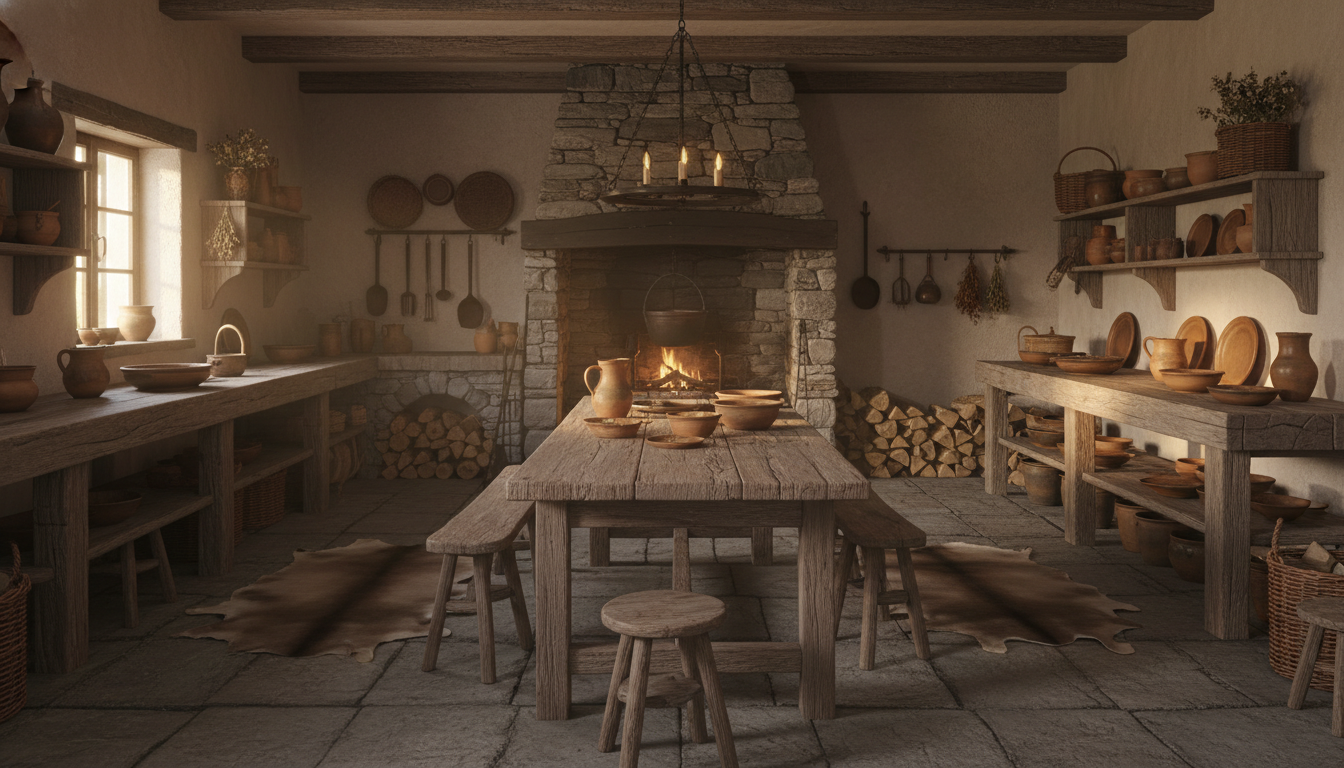
There’s a unique comfort in stepping into a space that feels like it has a story to tell. In our fast-paced, modern world, the pull towards a simpler, more soulful aesthetic is stronger than ever. This is the heart of primitive kitchen decor—a style that celebrates imperfection, craftsmanship, and the beauty of everyday objects. It’s not about recreating a museum; it's about curating a warm, inviting kitchen that feels both personal and timeless. If you dream of a kitchen that glows with character, this is for you.
Creating this cozy, lived-in look is more achievable than you might think. It focuses on natural materials, muted colors, and functional pieces that double as art. Whether you're working with a small space or looking for budget-friendly decor ideas, embracing a primitive style allows you to build a beautiful kitchen layer by layer. Forget sterile, cookie-cutter designs; we’re diving into ideas that bring texture, history, and a whole lot of heart to the most-used room in your home.
1. Embrace Open Shelving with Antique Stoneware
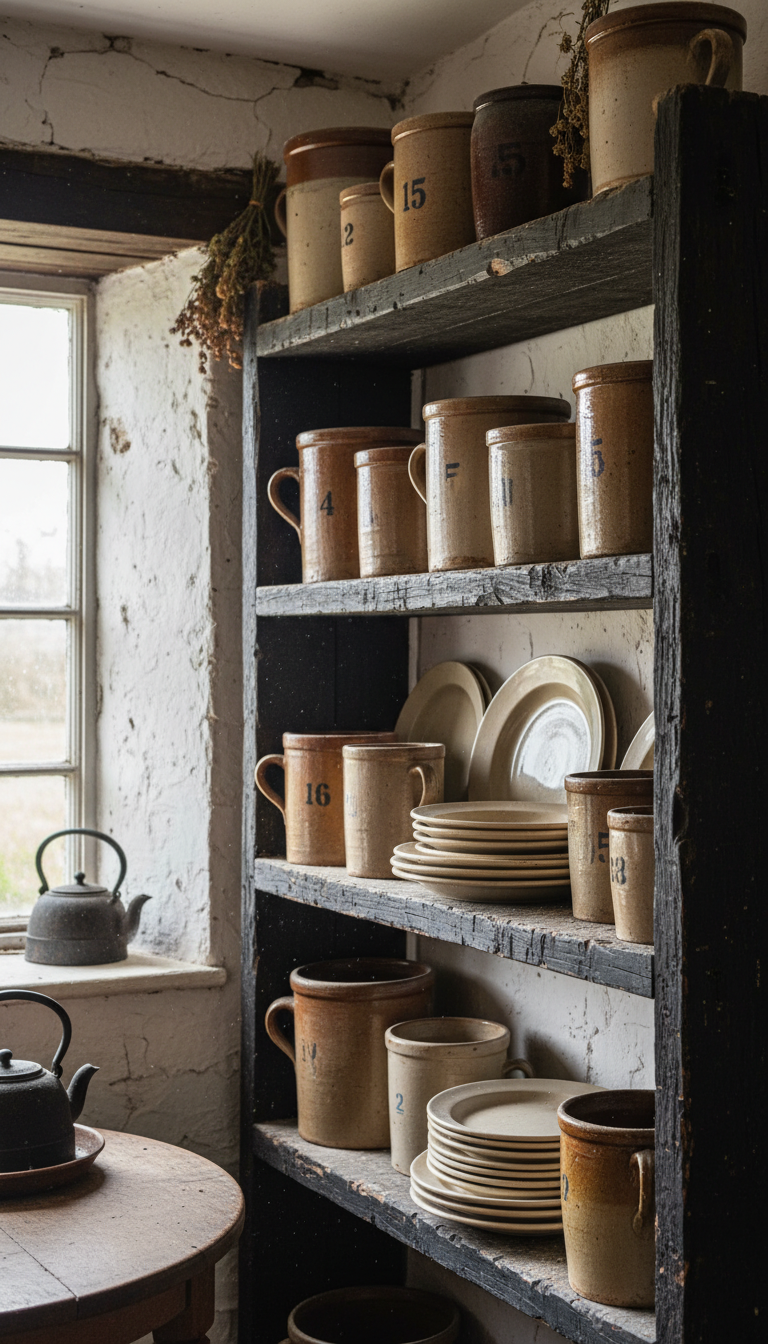
One of the quickest ways to introduce primitive charm is to swap out a few upper cabinets for simple, open shelving. This not only makes a kitchen feel more airy and spacious but also provides the perfect stage to display your favorite pieces. The key is to fill the shelves with items that are both beautiful and functional.
Why it Works: Open shelving breaks up the monotony of solid cabinet doors and encourages a curated, less-is-more approach. It’s a classic feature in farmhouse and primitive kitchen decor for a reason—it’s practical, honest, and puts the beauty of everyday items on full display. Displaying a collection of antique stoneware crocks, ironstone pitchers, and simple white plates adds instant texture and a sense of history. For a touch of rustic warmth, consider installing simple reclaimed wood shelves. You can find beautiful and sturdy rustic floating shelves on Amazon that are easy to install and perfect for this look.
2. Layer in Worn Wooden Accents
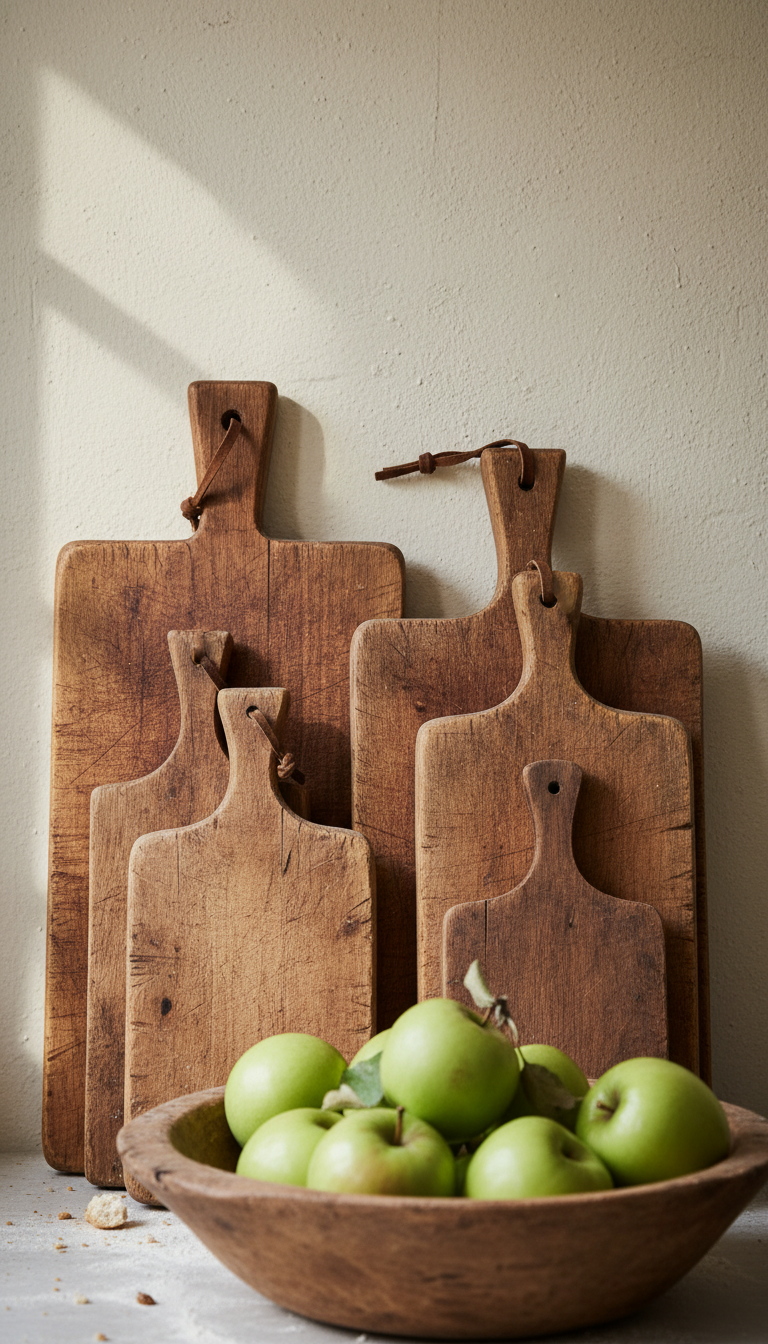
Wood is the soul of primitive design. Incorporating pieces with age, patina, and visible wear adds an irreplaceable layer of warmth and character. Think beyond your cabinets and floors—focus on the smaller details that make a big impact. A collection of old wooden cutting boards leaned against the backsplash, a hand-carved dough bowl on the counter, or a crock filled with antique wooden spoons can transform the feel of your kitchen.
Why it Works: These wooden elements tell a story of use and time. The nicks, scratches, and softened edges contrast beautifully with the harder surfaces of countertops and tile, creating a balanced and inviting space. This is a fantastic budget home decor trick, as you can often find unique pieces at flea markets or antique shops. If you can't find an original, a large, hand-carved wooden dough bowl makes a stunning centerpiece, and there are beautiful replicas available online that capture that same rustic essence.
3. Use Apothecary Jars and Antique Crocks for Storage
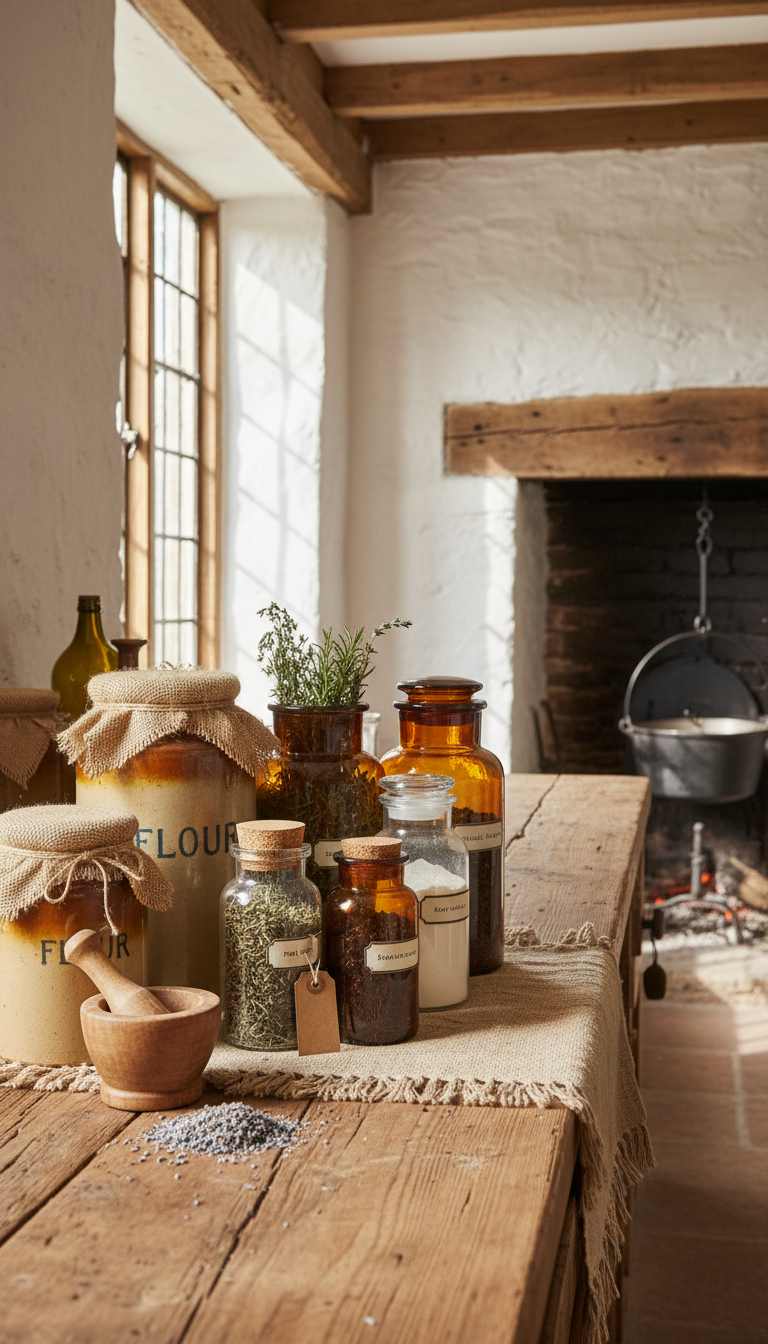
Functional decor is the cornerstone of a primitive kitchen. Instead of hiding your dry goods in the pantry, display them in beautiful, old-world containers. Antique stoneware crocks are perfect for holding utensils, while glass apothecary jars can store everything from flour and sugar to beans and pasta. This approach turns everyday necessities into a charming visual feature.
Why it Works: This idea instantly declutters your space by eliminating modern, branded packaging. It creates a cohesive, timeless look that feels intentional and organized. The mix of textures—smooth glass against rustic pottery—adds depth and interest to your countertops. For a warm, historic glow, look for a set of amber glass apothecary jars on Amazon; they look stunning when the light catches them and are a simple DIY room styling project to fill.
4. Soften the Space with Homespun Textiles
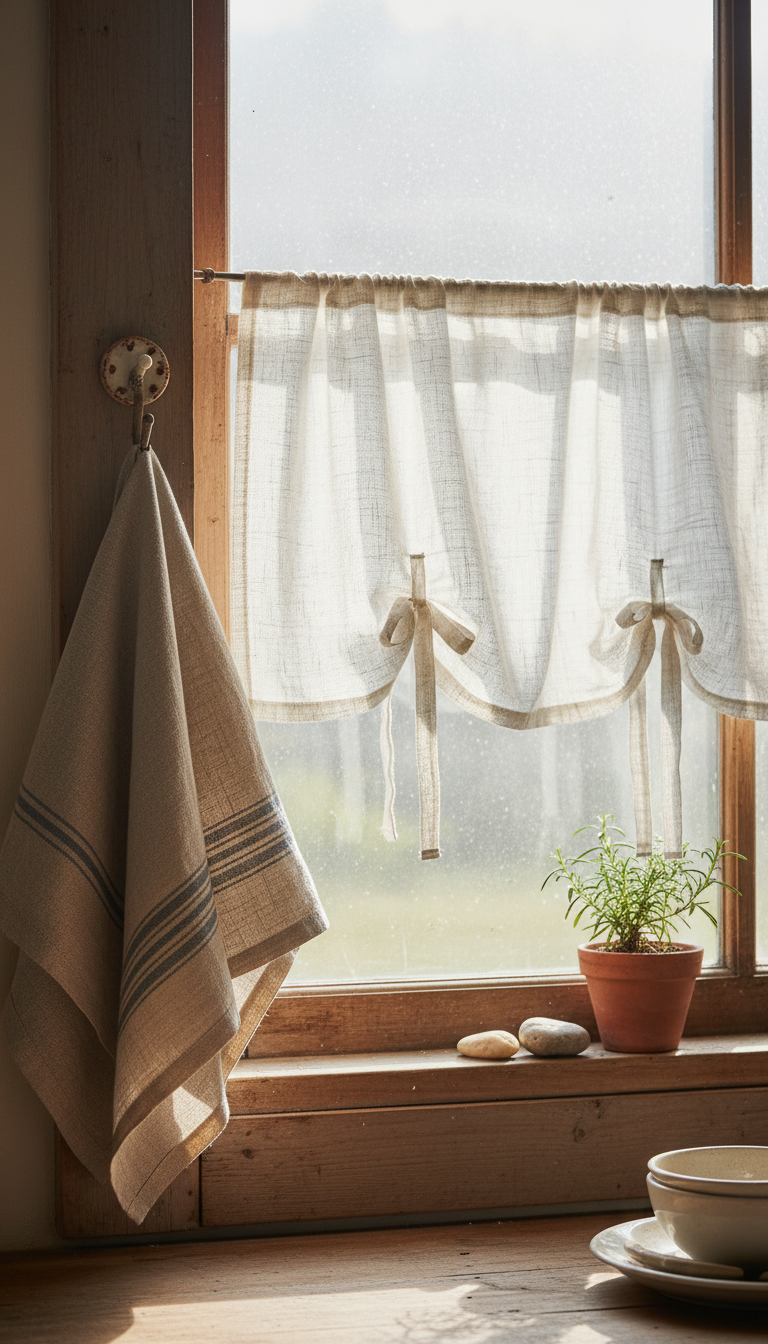
Kitchens are full of hard surfaces—stone, wood, and metal. Introducing soft, natural textiles is essential for creating a cozy and welcoming atmosphere. Think simple, functional, and textured. A pair of linen cafe curtains, a striped grain sack runner on the table, or a simple cotton tea towel hanging from the oven handle can make all the difference.
Why it Works: Fabrics add a much-needed layer of softness and can introduce subtle color and pattern without overwhelming the space. The focus should be on natural materials like linen, cotton, or homespun wool, which align with the primitive aesthetic's emphasis on authenticity. This is an incredibly affordable way to refresh your kitchen; simple, budget-friendly linen-blend cafe curtains can instantly add a touch of primitive charm and provide a bit of privacy without blocking the light.
5. Choose Vintage-Inspired Lighting
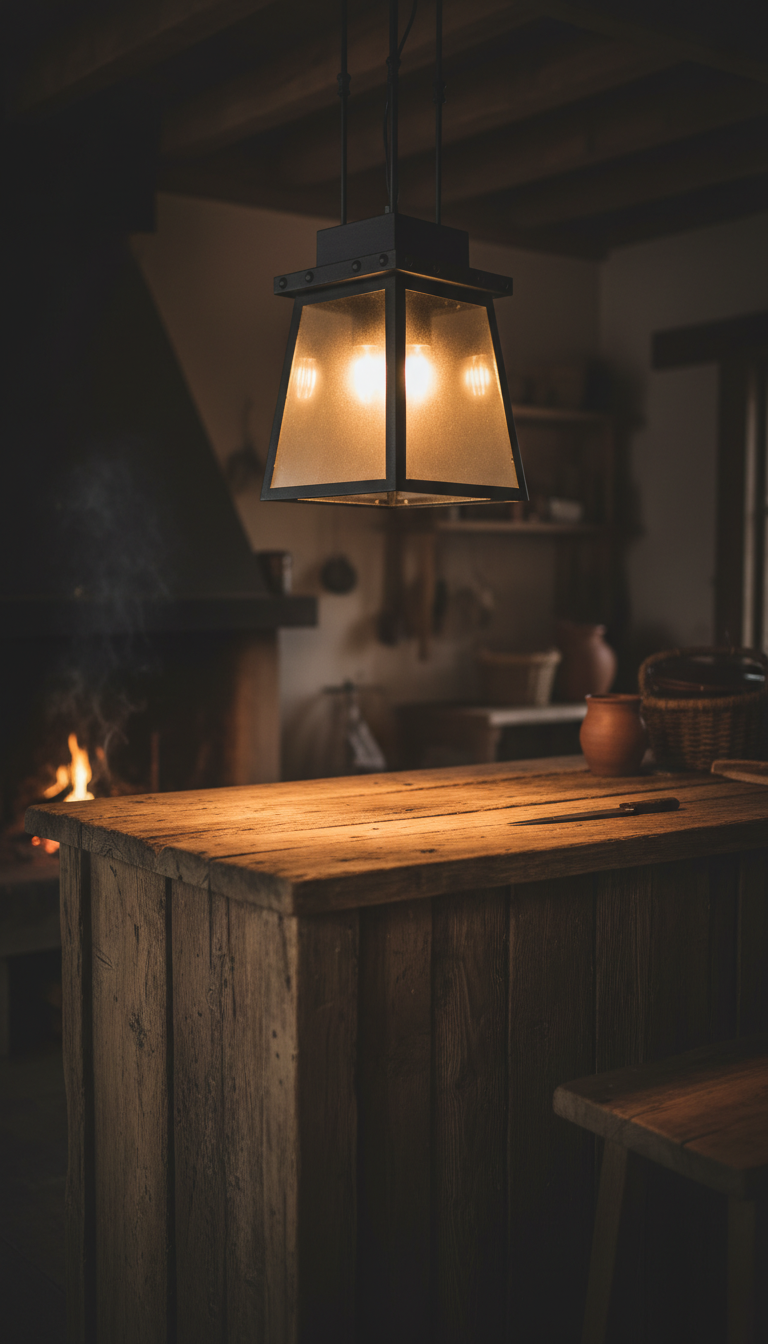
Lighting is one of the most transformative elements in any room. To achieve an authentic primitive look, opt for fixtures that recall a time before modern electricity. This doesn't mean you have to light your kitchen with candles, but the style of your fixtures should feel historic. Punched-tin pendants, simple wrought-iron chandeliers, or wall sconces that look like old lanterns are all excellent choices.
Why it Works: The right light fixture acts as a stunning focal point and sets the overall mood. It solidifies your design theme and casts a warm, inviting glow that harsh, modern lighting can't replicate. A black metal lantern-style pendant light is a fantastic way to anchor the style over an island or sink. It feels both rustic and elegant, bridging the gap between old and new for a look that is perfectly suited for primitive kitchen decor.
6. Decorate with Dried Herbs and Botanicals
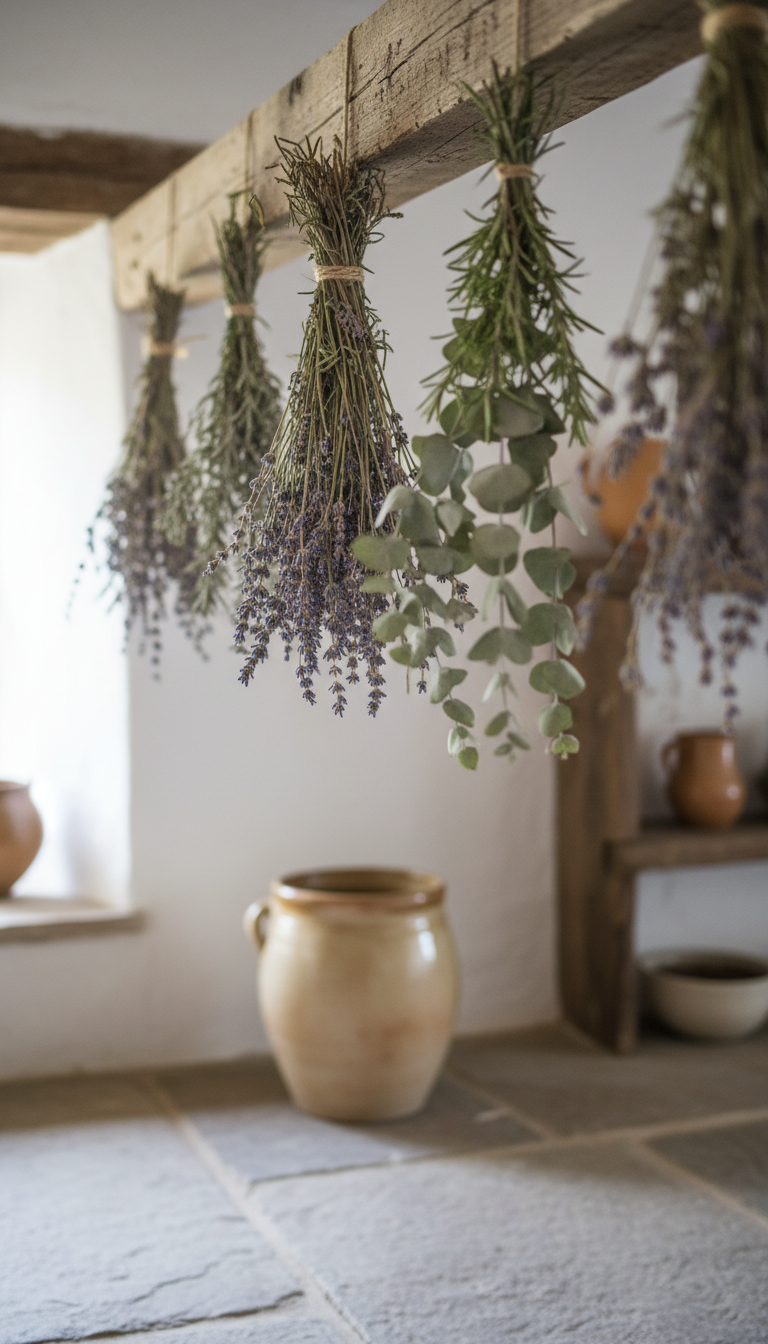
Before the age of supermarkets, kitchens were deeply connected to the garden. Pay homage to this by bringing the outdoors in. Hang bundles of dried lavender, rosemary, or eucalyptus from a pot rack or a ceiling beam. Place tall, dramatic branches from your yard in a large stoneware crock in a corner. This is the easiest and most affordable decor trick in the book.
Why it Works: This adds a touch of life, natural color, and often a wonderful, subtle fragrance to your kitchen. It’s an authentic way to decorate that feels organic and unforced. Unlike fresh flowers, dried botanicals last for months, making them a practical and budget-friendly choice. A ceiling-mounted pot rack isn't just for cookware; it's the perfect farmhouse-style tool for hanging dried herbs for a truly rustic feel.
7. Adopt a Muted, Earthy Color Palette
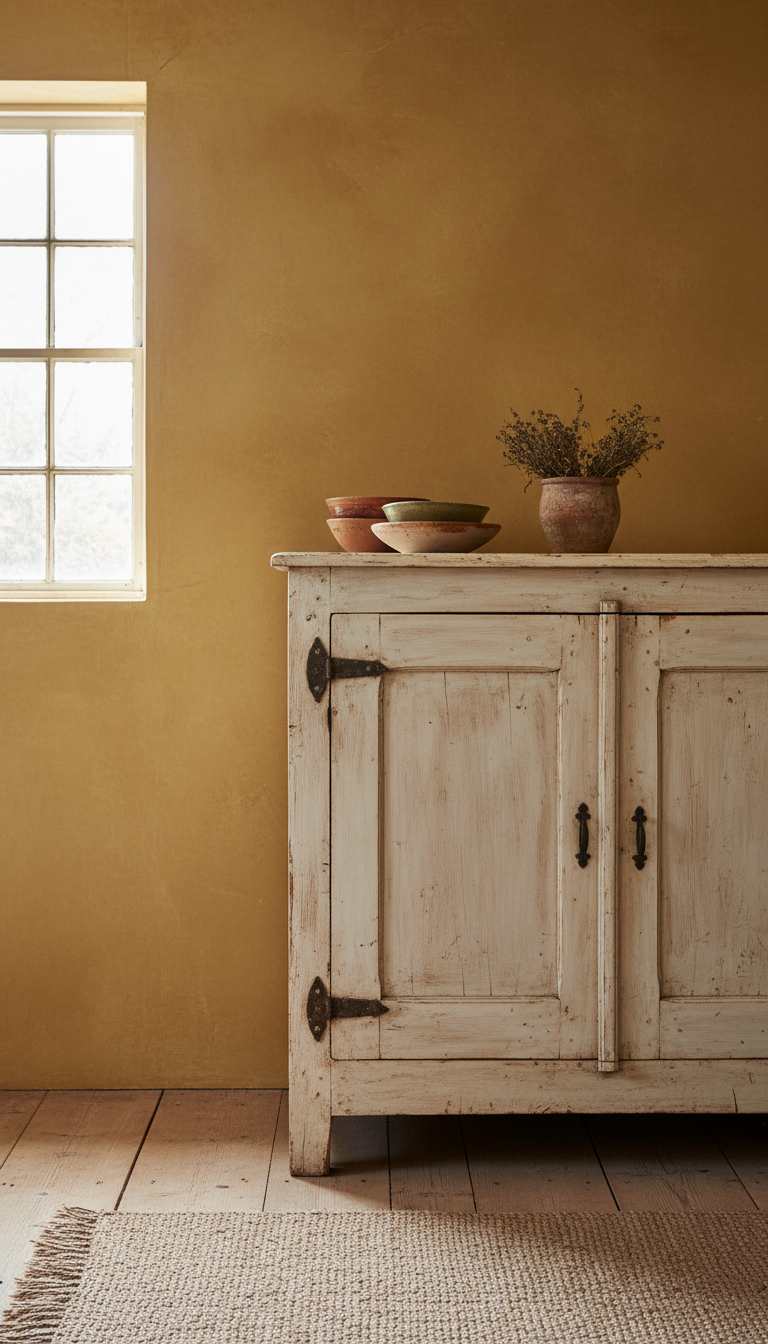
The color palette of a primitive kitchen is drawn from nature and historical pigments. Think of warm, earthy tones that feel grounding and serene. Creamy off-whites, muted mustard yellows, dusty slate blues, and deep barn reds are all hallmarks of this style. These colors create a perfect, cohesive backdrop for all your wooden and stoneware accents.
Why it Works: A restrained and earthy color scheme is calming and allows the texture of your decor to take center stage. It creates a seamless flow and makes the space feel cohesive and thoughtfully designed. If you’re not ready to paint your walls, you can introduce these colors through textiles, pottery, or by painting a single piece of furniture, like a kitchen island or a freestanding cabinet. You can also ground the space and add texture with natural jute area rugs, which pair beautifully with these historic colors.
8. Put Your Cast Iron Cookware on Display
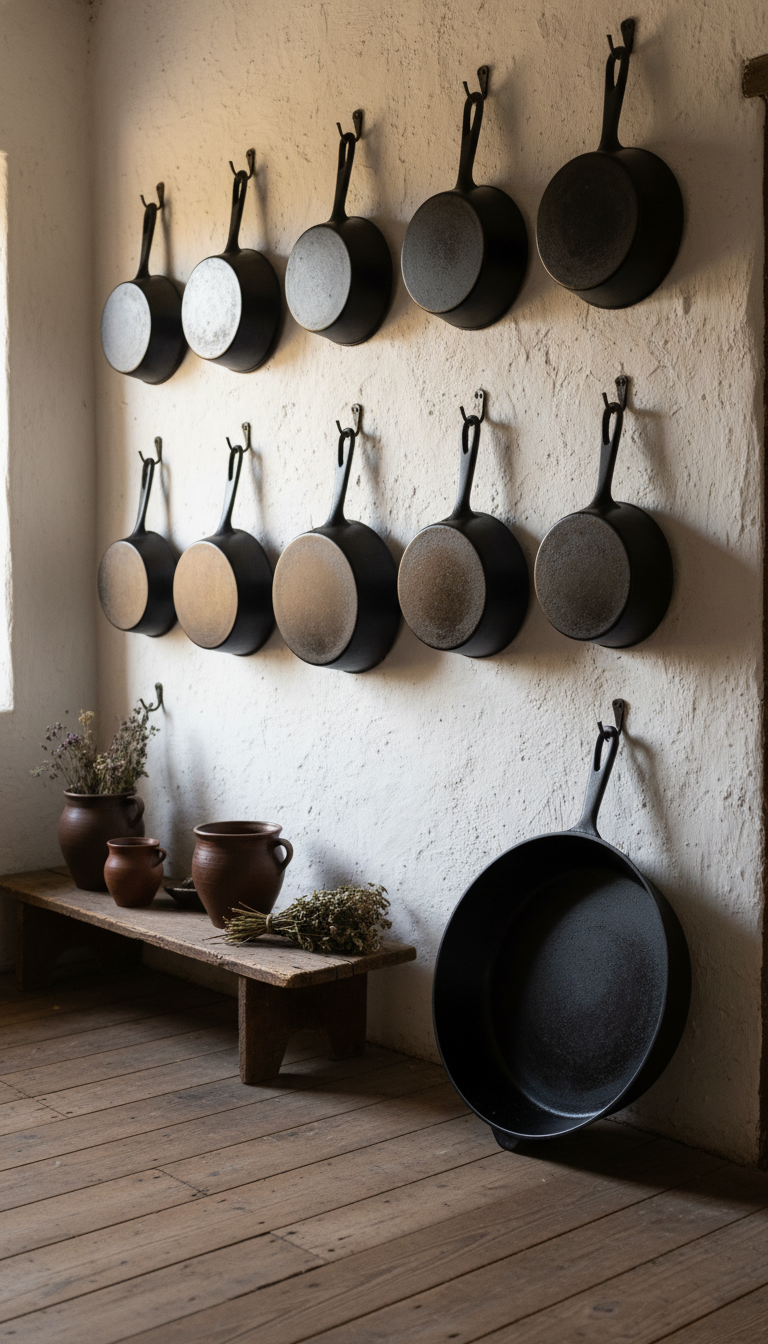
Some of the most beautiful items in a primitive kitchen are the ones that work the hardest. Instead of hiding your heavy cast iron skillets and dutch ovens away in a cabinet, put them on display. Hang them from a pot rack or simple, sturdy hooks on a wall. Their dark, matte finish provides a beautiful, graphic contrast against lighter walls.
Why it Works: This is the ultimate expression of functional decor. It’s practical—keeping your most-used pans within easy reach—and it looks fantastic. Cast iron has a timeless, utilitarian beauty that perfectly complements the primitive aesthetic. It shows that your kitchen is a real, working space, not just a showpiece. A simple wall-mounted rail with S-hooks is an affordable and stylish way to create a functional cast iron display that adds instant rustic character.
9. Incorporate Freestanding Furniture
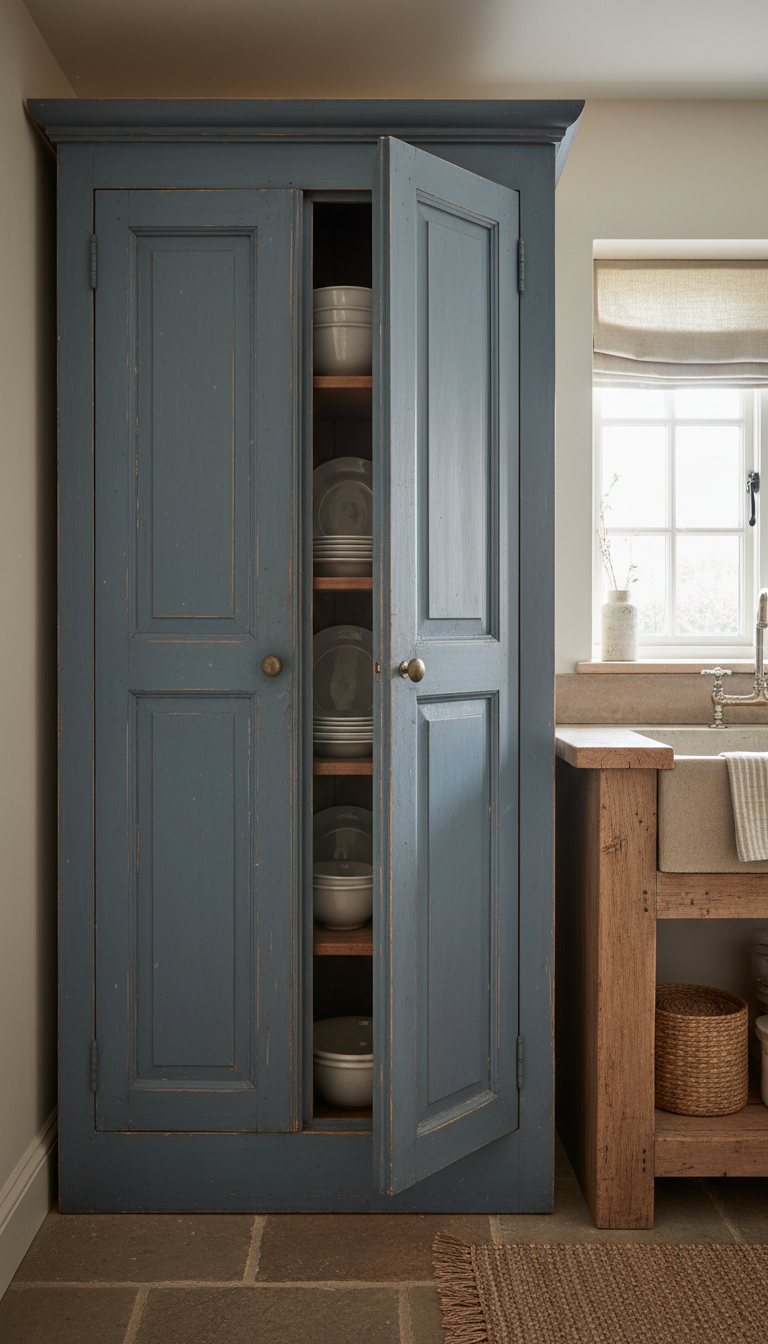
Move away from the modern idea of wall-to-wall built-in cabinets and embrace the charm of an 'unfitted' kitchen. Using freestanding pieces like a rustic worktable as an island, a tall hutch for dish storage, or a standalone pantry cabinet makes a kitchen feel as though it was assembled over time. This is a key element for achieving authentic primitive kitchen decor.
Why it Works: Freestanding furniture adds architectural interest and character, breaking up the straight lines of a typical kitchen layout. It gives you flexibility and allows you to bring in unique antique or vintage finds that tell a story. Even in a small space, a rustic console table can double as a small kitchen island, offering extra prep space, storage, and a huge dose of charm that built-ins often lack.
Conclusion
Creating a kitchen with primitive decor is all about embracing simplicity, celebrating craftsmanship, and finding beauty in the everyday. It’s a forgiving and personal style that you can build slowly over time. Start with one or two ideas—a set of stoneware crocks or some simple linen curtains—and see how it instantly warms up your space. Don't be afraid of imperfections; they're what give this style its soul.
Ready to get started? Pin these ideas to your Home Decor board for later! If you’re ready to refresh your home, check out my list of Amazon decor finds that make decorating simple and affordable.